
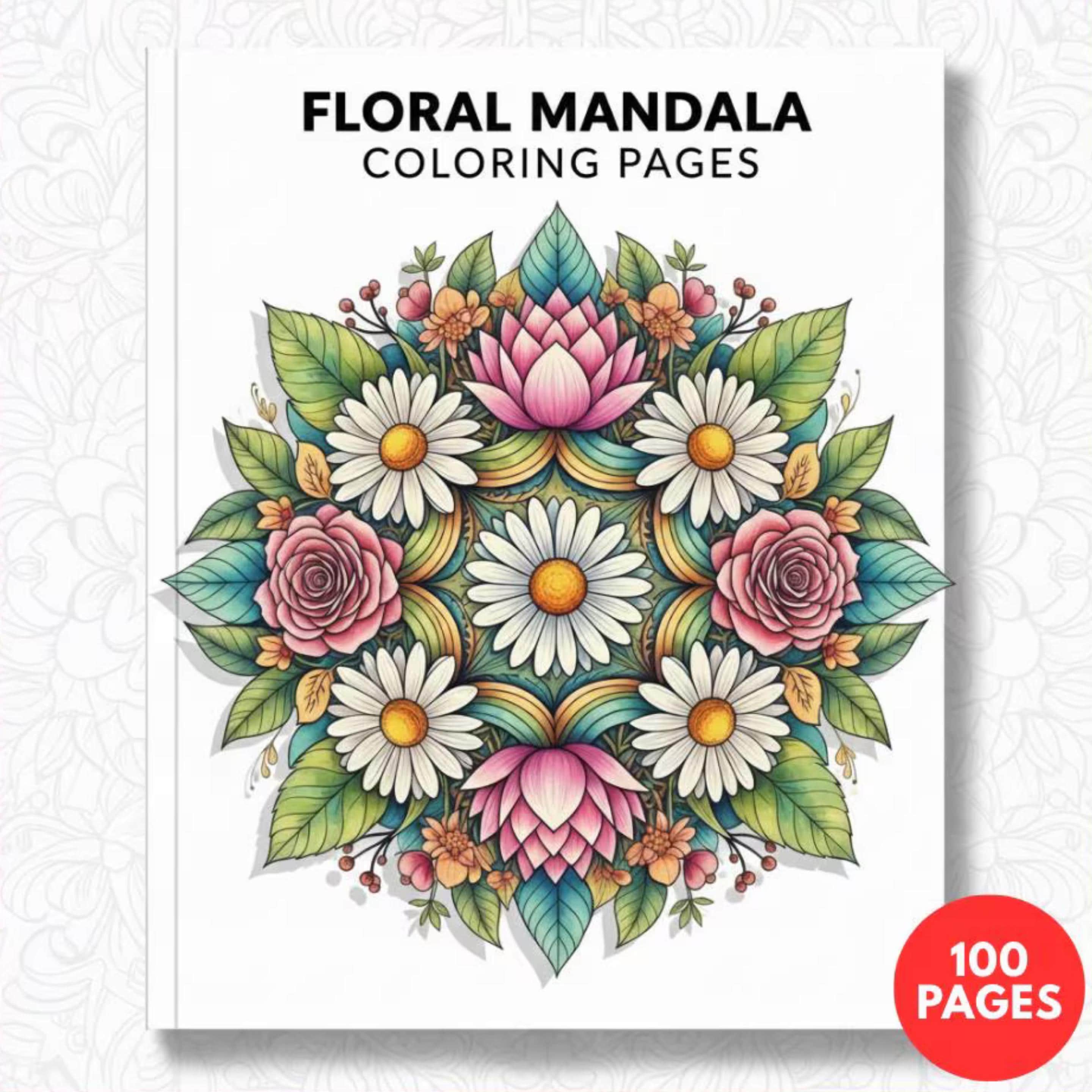
Blending is the skill that separates flat, basic coloring from the rich, dimensional results you see in professional colorists' work. The good news: it's entirely learnable, and the techniques are simpler than they look. Once you understand how colored pencil pigment behaves, smooth, professional blending becomes natural.
Understanding Colored Pencil Pigment
Most colored pencils are either wax-based or oil-based. This matters for blending:
- Wax-based (Prismacolor): Softer, blend more easily with light pressure, prone to "wax bloom" over time
- Oil-based (Polychromos): Firmer, require more pressure to blend, no wax bloom, more lightfast
The Layering Foundation
All blending starts with proper layering. The golden rule: always work light to dark.
- Apply your lightest color first, using light to medium pressure
- Build up layers gradually — don't try to achieve full saturation in one pass
- Add medium tones over the light base, focusing on shadow areas
- Add dark tones last, only in the deepest shadow areas
The 5 Core Blending Techniques
1. Burnishing
Apply firm pressure with a light color (or white) over the entire layered area. This fuses the pigment layers together, creating a smooth, polished surface. Results: glossy, saturated finish. Best for: vibrant, smooth fills.
2. Colorless Blender
A pencil with no pigment — just binder. Use it to smooth transitions between colors without adding new pigment. Results: soft, subtle blending. Best for: gentle gradients and sensitive areas.
3. Circular Strokes
Instead of straight lines, apply pigment in small circular motions. This fills the paper texture evenly and creates naturally smooth color. Results: even coverage. Best for: large areas, backgrounds.
4. Solvent Blending
Apply rubbing alcohol with a cotton swab or brush over colored areas. The solvent dissolves and spreads the pigment, creating an almost painted effect. Results: liquid, painterly finish. Best for: bold fills, dramatic blends.
5. Layering Complementary Colors
Layer a small amount of a complementary color into shadows (e.g., purple over orange shadows) for depth that looks naturally three-dimensional. Results: sophisticated, dimensional shading.
💡 Pro blending tip: Always test your blending technique on a scrap piece of the same paper you're using for your project. Different papers absorb pigment very differently — what works on cardstock may not work the same on regular printer paper.
Common Blending Mistakes and How to Fix Them
- Going too dark too fast: You can't remove dark pigment. Always build up gradually.
- Pressing too hard too early: Heavy pressure fills the paper tooth — once it's full, you can't add more layers.
- Not enough layers: Beautiful blending requires multiple thin layers, not one heavy application.
- Mixing wax and oil pencils: They don't blend well together — pick one type and stick with it.
Get Pages Worth Blending
Instant PDF download — print at home and start coloring today.
Shop on Etsy →