
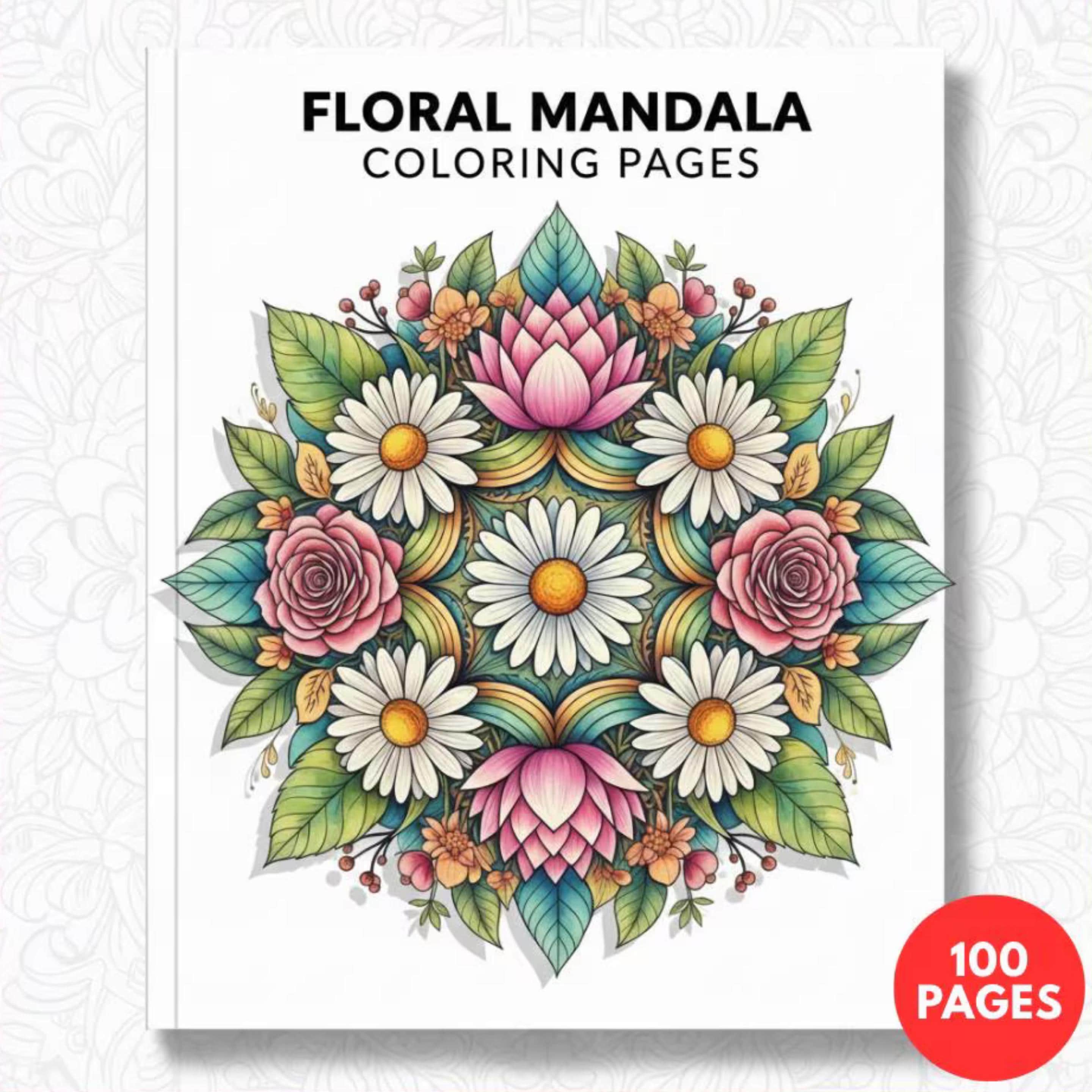
In recent years, coloring books have moved from the children's section to the wellness aisle — and with good reason. A growing body of research suggests that adult coloring can be a genuinely effective tool for managing anxiety, depression, and stress. Here's what the science says, and how to use coloring as part of your mental health toolkit.
The Research: What Science Says
Several studies have investigated the mental health benefits of adult coloring:
- A 2016 study in Art Therapy found that 20 minutes of coloring mandalas significantly reduced state anxiety compared to free drawing
- Research published in Empirical Studies of the Arts found coloring induced mindfulness states similar to meditation
- Studies on art therapy consistently show that creative activities reduce cortisol (the primary stress hormone)
- Occupational therapists use coloring to help patients with depression re-engage with pleasurable activities — a key component of behavioral activation therapy
Why Does Coloring Help?
Several mechanisms explain coloring's mental health benefits:
Flow state activation
Coloring intricate designs requires just enough focus to enter a "flow state" — the absorbed, effortless concentration described by psychologist Mihaly Csikszentmihalyi. In flow, rumination (the repetitive negative thinking associated with depression and anxiety) becomes difficult to maintain.
Bilateral brain engagement
Coloring simultaneously engages the logical (line-following, pattern recognition) and creative (color choice, artistic expression) parts of your brain. This whole-brain engagement is cognitively similar to meditation.
Behavioral activation
For depression, one of the most evidence-based treatments is behavioral activation — gradually re-engaging with pleasurable activities. Coloring is an accessible, low-barrier activity that provides immediate sensory reward, making it ideal for people with low motivation.
💡 Important note: Coloring is a helpful supplement to mental health treatment, not a replacement for professional care. If you're experiencing significant anxiety or depression, please speak with a mental health professional.
How to Use Coloring as a Mental Health Tool
- Be consistent: Regular 20-30 minute sessions are more effective than occasional marathon coloring
- Remove distractions: Put your phone away. The goal is absorption, not multitasking.
- Choose complex designs: Simple designs don't require enough focus. Mandalas and detailed botanical patterns work best for anxiety relief.
- Don't judge your coloring: This isn't about making art. There are no mistakes, only colors.
- Pair with calming sensory input: Soft music, a warm drink, or pleasant scents can enhance the relaxation effect.
Best Designs for Anxiety Relief
For anxiety specifically, choose designs that are:
- Symmetrical (mandalas) — the pattern guides your attention naturally
- Detailed but not overwhelmingly complex — you want challenge without frustration
- Nature-themed (botanical, animals) — natural imagery has independently shown stress-reducing effects
Start Your Mindful Coloring Practice
Our stress-relief and mandala collections are specifically designed for therapeutic coloring. Instant download, print at home.
Browse Wellness Collections →