
Self-care has evolved beyond bubble baths and face masks. In 2026, the most effective self-care practices are those that genuinely engage the mind — and adult coloring has emerged as one of the most accessible, affordable, and scientifically supported options available. Here's how to build a coloring habit that actually sticks and delivers real mental health benefits.
Why Coloring Works as Self-Care
Self-care practices work best when they meet three criteria: they're genuinely relaxing, they're easy to start, and they provide a sense of accomplishment. Coloring checks all three boxes:
- Genuinely relaxing: Coloring activates the parasympathetic nervous system — the "rest and digest" response that counters stress
- Easy to start: Open a PDF, print a page, pick up a pencil — that's all
- Sense of accomplishment: Every completed page is tangible, satisfying proof of time well spent
Building Your Coloring Self-Care Ritual
Step 1: Create a dedicated space
Even a corner of a table can become your coloring sanctuary. Good lighting is essential — natural light or a warm-toned desk lamp reduces eye strain. Keep your supplies organized and accessible so there's no friction to starting.
Step 2: Choose your time
Consistency matters more than duration. Fifteen minutes at the same time every day builds a habit more effectively than hour-long sessions whenever you remember. Evening works particularly well — it creates a screen-free wind-down ritual that signals to your brain that the workday is over.
Step 3: Set the atmosphere
Create sensory cues that tell your brain it's relaxation time:
- A specific playlist (instrumental, lo-fi, or nature sounds)
- A warm drink (herbal tea, decaf coffee)
- Soft, warm lighting
- Phone face-down and on silent
Step 4: Choose the right designs
Match your coloring book to your current mental state. On high-stress days, choose simpler designs with larger areas — less cognitive demand, more pure relaxation. On calmer days, tackle the intricate mandalas that require deeper focus.
💡 Self-care coloring tip: Keep a "coloring journal" — a small notebook where you note the date, how you felt before and after coloring, and which design you worked on. Most people are surprised by how consistently coloring improves their mood.
The Best Coloring Books for Self-Care
For a self-care coloring practice, design choice matters:
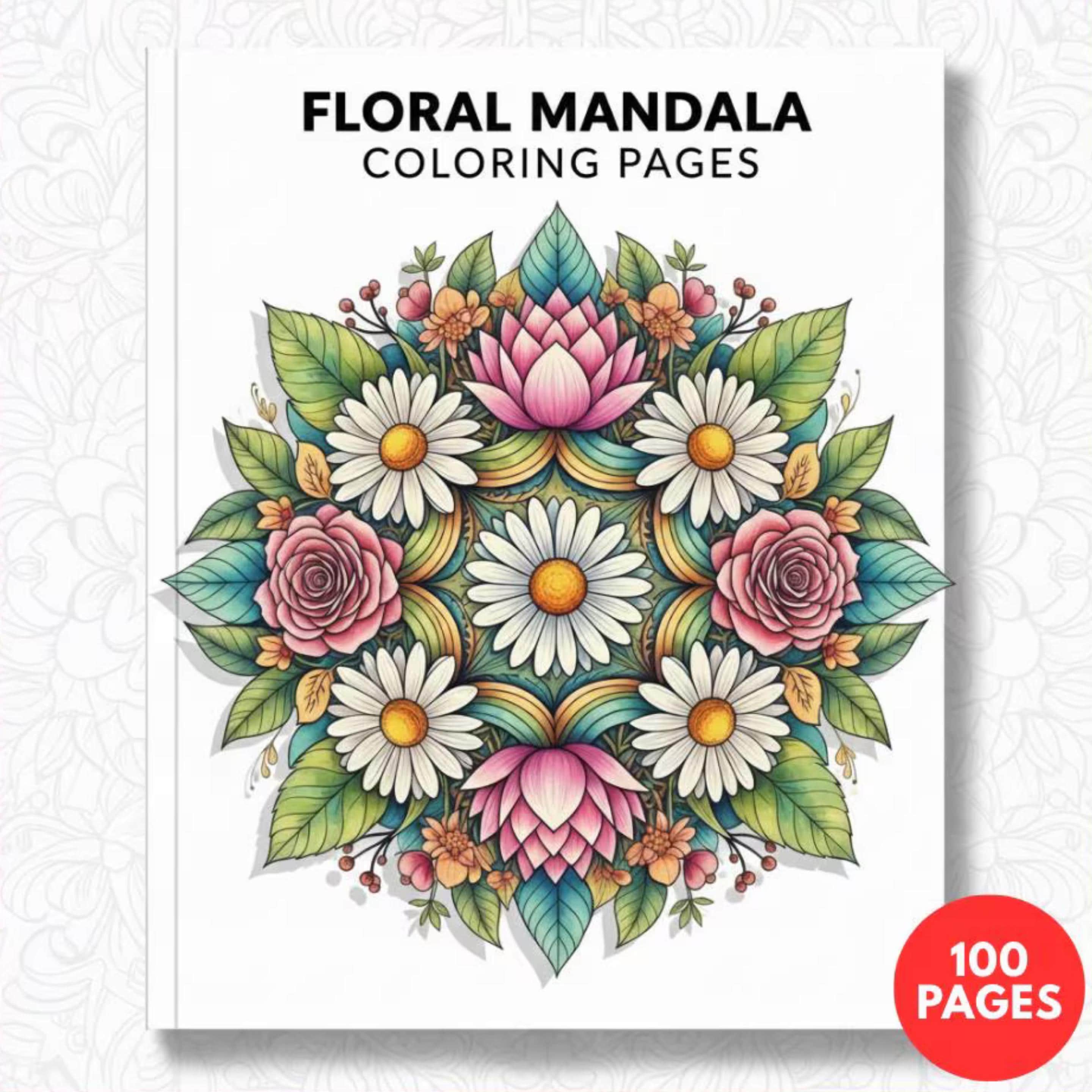
- Mandalas: Best for anxiety reduction — the symmetrical patterns create the deepest meditative state
- Botanical designs: Nature imagery has independently shown stress-reducing properties
- Feather and spirit animal pages: The organic, flowing lines are among the most peaceful to color
- Fantasy scenes: For days when you want escapism as much as relaxation
Making It Stick: Habit Formation for Coloring
The research on habit formation is clear: attach a new behavior to an existing one. Pair your coloring session with something you already do every evening — after dinner, after your shower, or while your partner watches TV. Within two weeks, your brain will start associating the trigger with the coloring session, and starting will become effortless.
Start Your Self-Care Coloring Practice
Instant PDF download — print at home and start coloring today.
Shop on Etsy →